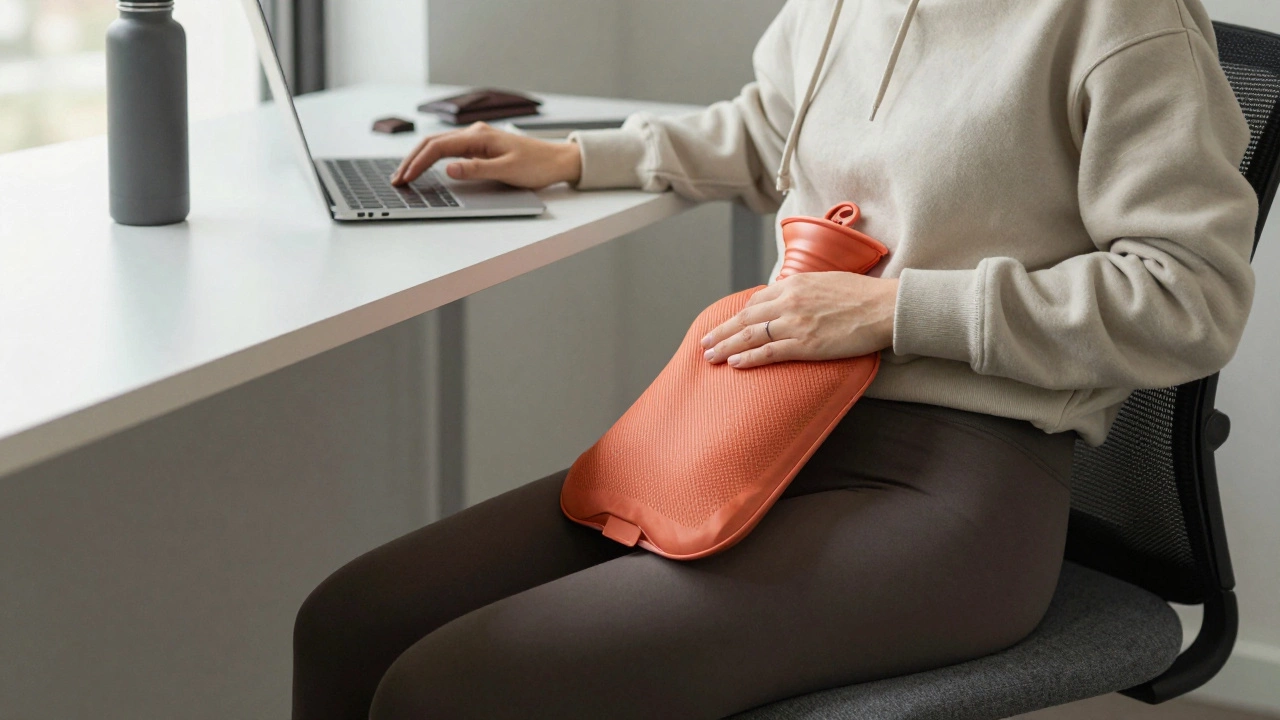
Working while on your period isn’t something most people plan for-but it happens. Every month. For nearly half the population. Yet workplaces still treat it like a secret you’re supposed to hide under desk chairs and extra layers of clothing. You’re not lazy because you’re tired. You’re not unprofessional because you’re cramping. You’re just human. And your body is doing something complicated, natural, and totally normal. So why does it feel like you need to apologize for it?
Some days, you might feel like you need to escape the office entirely. Maybe you’ve heard about paris sex as a way people unwind after a long week-but what you really need isn’t an escape, it’s a better system to get through the week without guilt or pain. The truth is, you don’t need to power through. You need to adapt.
What Happens in Your Body During Your Period
Your period isn’t just bleeding. It’s the end of a complex hormonal cycle that started two weeks earlier. Progesterone drops. Prostaglandins spike. That’s what causes cramps, bloating, headaches, and sometimes brain fog. Your energy levels aren’t low because you’re lazy-they’re low because your body is literally shedding the lining of your uterus. That takes energy. A lot of it.
Studies show that up to 75% of people who menstruate experience physical symptoms during their period. About 1 in 5 report symptoms severe enough to affect work performance. This isn’t a personal failing. It’s biology. And ignoring it doesn’t make it go away.
How to Manage Pain Without Pills
You don’t need to pop ibuprofen every morning just to sit at your desk. Try these instead:
- Heat packs or a warm water bottle on your lower belly-this reduces cramping better than most OTC meds
- Light movement: 10 minutes of walking or stretching boosts endorphins and eases tension
- Hydration: Dehydration makes cramps worse. Keep a water bottle at your desk and sip constantly
- Dark chocolate: Not a joke. Magnesium in cocoa helps relax muscles and improves mood
- Deep breathing: Try 4-7-8 breathing (inhale 4, hold 7, exhale 8) for 2 minutes-it calms your nervous system fast
These aren’t fancy hacks. They’re simple, science-backed tools. And they cost nothing.
Adjust Your Workload, Not Your Worth
There’s no rule that says you have to be at 100% every day. Your productivity doesn’t have to look the same every week. On high-pain days:
- Reschedule non-urgent meetings
- Focus on tasks that require less mental energy-replying to emails, organizing files, drafting outlines
- Use voice-to-text tools if typing hurts your wrists
- Ask for a quiet space if bright lights or noise make headaches worse
Companies that let people adjust their workload based on their cycle see higher retention, fewer sick days, and better morale. You’re not asking for special treatment. You’re asking for basic human consideration.
What to Wear (Without Looking Like You’re Trying Too Hard)
Period-proof underwear? Yes. High-waisted leggings? Yes. A hoodie with pockets for a heat pack? Absolutely. You don’t need to match corporate dress codes if they ignore your biology.
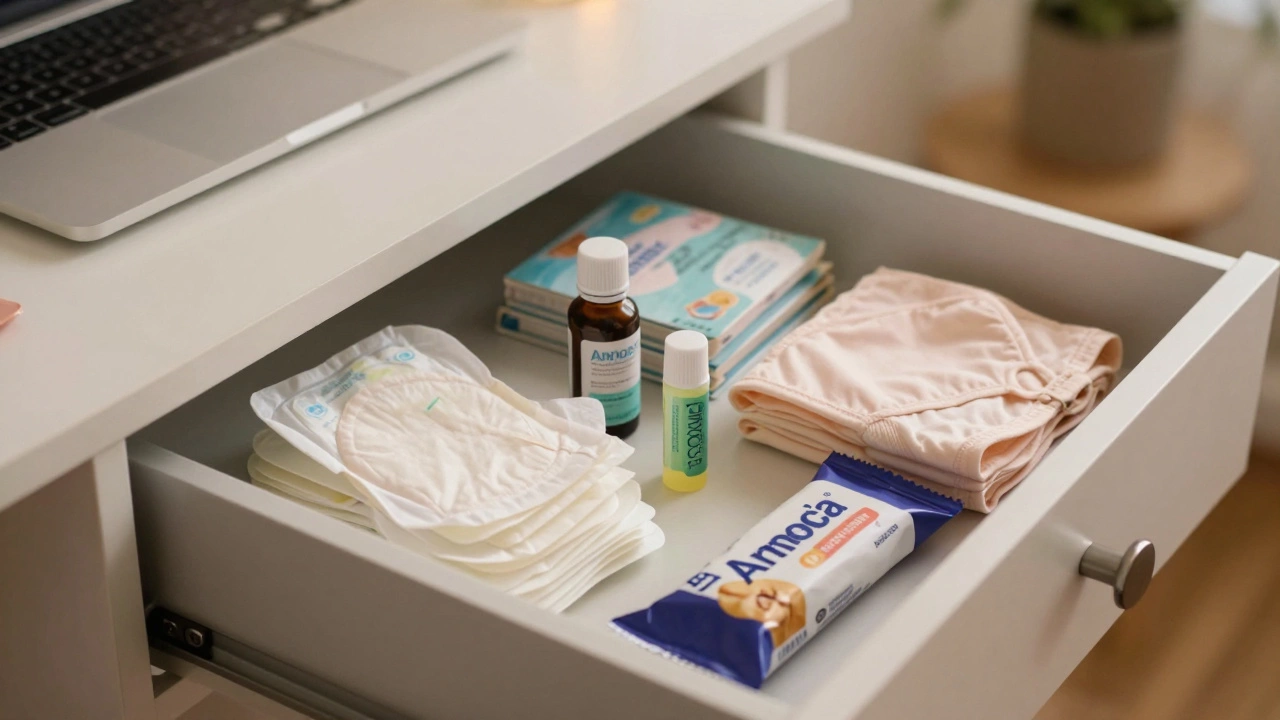
Keep a small bag in your desk drawer with:
- Two extra pads or tampons
- A spare pair of underwear
- A small bottle of pain relief gel (like arnica or menthol)
- A mini bottle of peppermint oil (inhaling it can reduce nausea)
- A snack bar (protein + carbs stabilize blood sugar drops)
These aren’t luxuries. They’re essentials-like carrying a phone or wallet. You wouldn’t show up to work without one. Why treat your period differently?
When to Speak Up (And How)
You don’t owe anyone a medical explanation. But if you’re comfortable, a simple line like “I’m having a rough day with my cycle, so I’ll be working remotely this afternoon” works better than silence. Most people will understand. If they don’t? That’s their problem, not yours.
Some workplaces have formal policies for menstrual accommodation. If yours doesn’t, start a quiet conversation with HR. Frame it as a productivity issue: “Many team members experience physical discomfort during their cycle. Simple adjustments could reduce absenteeism and improve focus.”
There’s data behind this. A 2023 study in the Journal of Occupational Health found that workplaces offering flexible scheduling during menstruation saw a 34% drop in unplanned absences.
Why This Isn’t Just a Women’s Issue
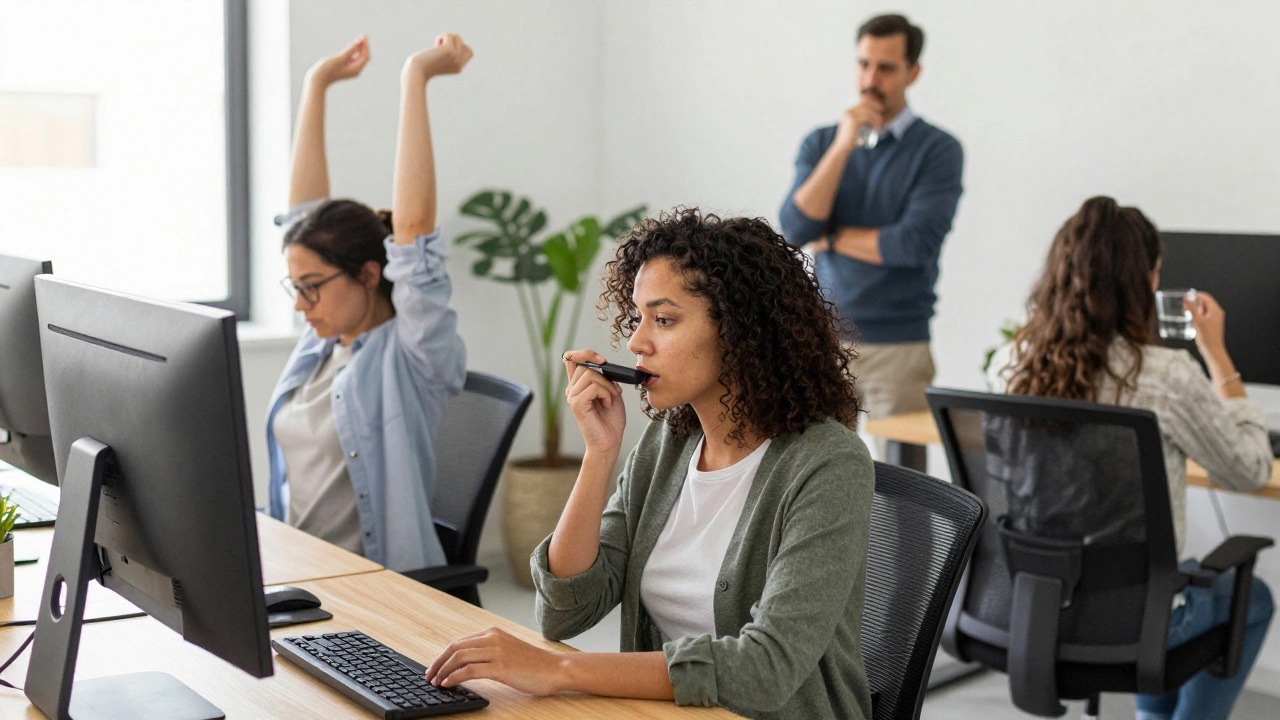
Menstruation affects teams, not just individuals. When someone is in pain and can’t focus, deadlines slip. Meetings drag. Morale dips. When you normalize managing periods at work, you create space for everyone to show up as their whole selves.
And if you’re a manager? This isn’t about being “nice.” It’s about performance. People who feel seen at work are more loyal, more creative, and more engaged. That’s not a perk. That’s a business advantage.
What to Do If Your Boss Doesn’t Get It
Some people still think periods are a personal issue that shouldn’t touch work. That’s outdated. If your workplace refuses to acknowledge basic health needs, you have options:
- Document your symptoms and how they affect your work (keep a simple log)
- Reach out to employee resource groups or diversity committees
- Use FMLA or ADA protections if symptoms are severe and persistent
- Start looking for a workplace that values people over productivity theater
You deserve to work where your body isn’t treated like a liability.
Final Thought: You’re Not Broken
The idea that you should “push through” your period like it’s a minor inconvenience comes from a world that never had to carry a uterus. It’s not your job to make yourself smaller, quieter, or less real to fit into a system that wasn’t built for you.
Working during your period isn’t about being strong. It’s about being smart. It’s about using tools, setting boundaries, and refusing to feel guilty for having a body.
And if you ever feel like you need to disappear for a few hours? Maybe take a walk. Call a friend. Or, if you’re in Paris and need a moment of total release, you might even consider an escort massage paris-not because you’re broken, but because you’re human, and sometimes, you just need to feel good again.
Same goes for your energy. You don’t need to be on all the time. You just need to be supported.
And if you’re lucky enough to work somewhere that gets it? Thank them. Tell them it matters. Because change doesn’t start with policy. It starts with people speaking up.
Next time you feel the cramps come on, don’t reach for the apology. Reach for the heat pack. The water. The quiet. The rest. You’ve earned it.
And if you’re ever in Paris? Don’t just visit the Eiffel Tower. Take a moment to breathe. You’ve been carrying a lot.
By the way-some people in Paris work as sex model in paris-not because they’re exoticized, but because they’ve built businesses around autonomy, body confidence, and control. You can too. Even if your office doesn’t have a yoga mat, you can still choose how you show up.
Write a comment